Roth Conversion

Roth conversions are a major part of today’s conversations surrounding retirement planning. Everyone wants to know whether or not a Roth conversion makes sense for their particular situation. Depending on your circumstances, it could be extremely beneficial—but for some, the benefits may be limited.
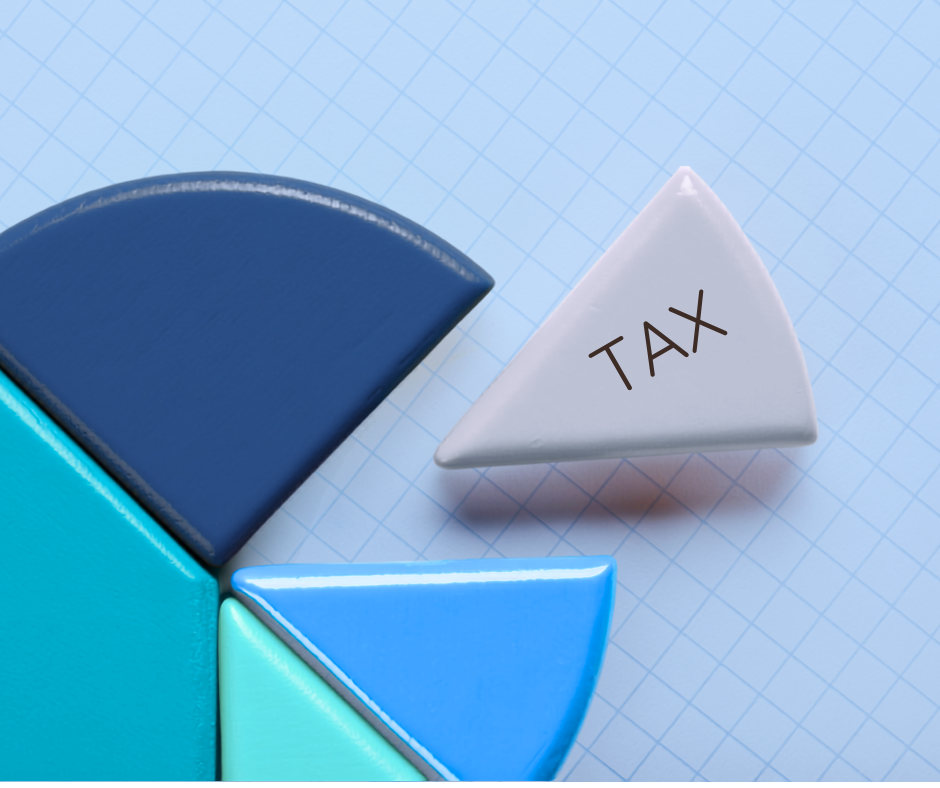
Blue pie chart with a separated section labeled taxes
Different opportunities. Different risks. One coordinated investment strategy.

Roth

Conversion

1. Is a Roth Conversion Worth It?

  • Yes, if you are…
    • Trapped in a High Tax Bracket
      • Those who are well into the 32% bracket or higher may need a long-term strategy to reduce future taxes—especially once RMDs begin.
    • Creating a Tax-Free Inheritance
      • Roth funds go to beneficiaries income-tax-free, which is one of the best ways to receive inherited money!
    • Protecting the Surviving Spouse
      • This can be especially important for couples concerned about the surviving spouse being pushed into the single-filer tax brackets. Those brackets are roughly half the size, which could create a major tax issue for the surviving spouse.
  • No, if you have…
    • No Major Tax Problem
      • Those in the 24% tax bracket or below may not benefit as much from voluntarily accelerating taxes. This is especially true if you expect your income and tax rate to decrease in retirement.
    • A Relatively Small IRA
      • With a smaller IRA, RMDs will likely be more manageable and may not put you in a position where your dollars are taxed at a higher rate.
    • Money You Are Leaving to a Church or Charity
      • When you leave IRA money to a church or qualified charity, those funds are generally received income-tax-free. Because of this, completing a Roth conversion and paying the taxes beforehand may be unnecessary.

2. How to Complete a Roth Conversion

  • Depending on where your assets are held, the conversion process can look different for everyone. For example, if your assets are held at Charles Schwab, you can generally convert shares directly from your Traditional IRA to your Roth IRA in whatever amount you choose. If your assets are held within a product such as an annuity, there is typically a defined amount available for conversion each policy year.
  • After determining the rules surrounding your IRA vehicle, the next step is finding the most tax-efficient way to convert. The main factors that come into play are:
    • Time
      • When it comes to time, converting sooner can sometimes reduce the taxes paid over the life of the account. However, converting too much at once can also create a larger immediate tax bill. With proper planning, tax deductions, and bonus structures, there may be ways to mitigate taxation over a three- to seven-year period.
    • Current Income
      • Your current level of income can be used to determine the optimal conversion amount by weighing the conversion against the available tax brackets.
    • Tax Deductions
      • There are a variety of ways to generate tax deductions. These can be extremely useful during a Roth conversion because they may offset certain amounts of ordinary income. Here at Wealth Watch Advisors, we utilize specific investments within a portfolio to help mitigate and reduce taxation during the Roth conversion process.
  • It is very important to consult with a professional when considering a Roth conversion, as a mistake can create a costly tax issue. It is also a great idea to have your CPA and Investment Advisor work together to coordinate a strategy based on your specific situation.


FAQ

Build Your Retirement Strategy with Confidence

Start Today

Schedule your complimentary Retirement Confidence Review and discover how a personalized strategy can help you make informed financial decisions for the years ahead.